

Natural Flavoring in Cannabis Gummies: What You Need to Know
Natural flavoring in cannabis gummies refers to flavoring agents derived from plant or animal sources, added to improve taste and mask the earthy, sometimes bitter notes that cannabis naturally carries. The role of natural flavoring in cannabis gummies is purely sensory. It shapes how a gummy tastes and smells, but it does not change the cannabinoid effects you feel. Understanding this distinction helps you make smarter choices when picking your next edible. Whether you’re drawn to strawberry, citrus, or tropical fruit profiles, the flavor is the experience wrapper, not the active ingredient.
How natural flavoring works in cannabis gummies
Natural flavoring in gummies does one primary job: it makes the product taste good enough to eat consistently. Manufacturers use natural extracts like strawberry, raspberry, and pineapple to create flavor profiles that cover cannabis’s natural off-notes. Without flavoring, most cannabis gummies would taste grassy, bitter, or resinous. That’s not exactly a crowd-pleaser.
The technical side of flavor formulation is more complex than most people realize. Flavor systems for cannabis edibles are specifically designed to mask off-notes and match the solubility of the gummy base, whether that base is water-dominant or fat-dominant. This matters because a flavor that works perfectly in a gelatin-based gummy may taste flat or off in a pectin-based one. The gummy matrix itself determines how flavor molecules are released when you chew.

Solubility is the detail most consumers never think about. Oil-soluble versus water-soluble flavoring directly influences how flavor is released and perceived, based on the fat and water content of the gummy. A water-soluble strawberry flavor delivers a bright, upfront burst. An oil-soluble version lingers longer and feels richer. Neither is better by default. The right choice depends on the gummy’s formulation.
Natural flavors also interact with cannabis terpenes, the aromatic compounds naturally present in the plant. Fruity flavors like citrus or pineapple can amplify terpenes like limonene, which already carries a citrusy scent. Herbal flavors can complement earthy terpenes like myrcene. This layering creates a more complete sensory experience rather than just covering up the cannabis taste.
Here’s a quick breakdown of common natural flavor types used in cannabis gummies:
- Fruit extracts (strawberry, raspberry, cherry): bright, sweet, widely popular
- Citrus oils (lemon, orange, lime): sharp, refreshing, pairs well with sour coatings
- Tropical extracts (pineapple, mango, passion fruit): bold, layered, works with fruity terpene profiles
- Herbal flavors (mint, lavender, ginger): earthy, calming, often used in wellness-focused products
Pro Tip: When reading a gummy label, “natural flavor” listed near the top of the ingredients means it’s a primary flavor driver. Listed near the bottom, it’s more of a finishing note. Both are fine, but the position tells you how much of the taste experience it controls.
Natural versus artificial flavoring: what actually matters
Consumer preference for natural ingredients has grown steadily, and cannabis gummies have followed that trend. Products labeled with natural flavoring tend to sell better because customers associate “natural” with cleaner or safer ingredients. That perception is understandable, but it’s not always accurate.
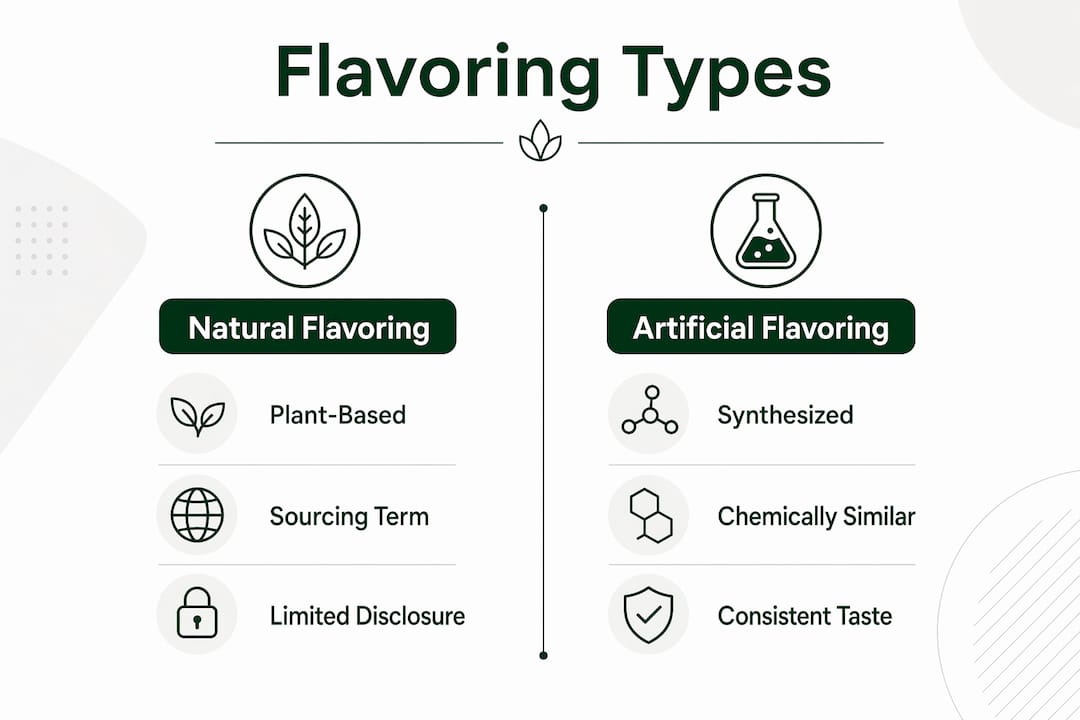
The FDA does not provide a simple consumer definition for “natural flavors.” Natural and artificial flavors can be chemically similar in composition and safety profile. A natural strawberry flavor might go through dozens of processing steps before it reaches your gummy. An artificial one might be a single synthesized compound. The source matters for labeling, but not necessarily for your health.
Natural flavor labels often represent blended preparations with limited disclosure of exact ingredients. This is worth knowing if you have food sensitivities. The word “natural” on a label does not guarantee the product is free from allergens or irritants. Always check for specific allergen disclosures separately.
Here’s an honest comparison of both options:
Natural flavoring:
- ✅ Derived from plant or animal sources
- ✅ Aligns with consumer preference for recognizable ingredients
- ✅ Often pairs well with cannabis terpenes for layered taste
- ⚠️ Can be highly processed despite the “natural” label
- ⚠️ May contain hidden allergens not fully disclosed
Artificial flavoring:
- ✅ Consistent batch to batch, easier to control
- ✅ Often cheaper, which can lower product cost
- ✅ Fewer allergen concerns in some formulations
- ⚠️ Consumer perception is less favorable
- ⚠️ May taste sharper or more synthetic at high concentrations
The bottom line: natural flavoring is an ingredient sourcing term, not a health claim. Choose based on your taste preferences and ingredient transparency, not just the label.
What cannabis gummy flavors actually taste like
Common flavors like strawberry, raspberry, pineapple, and citrus are the most popular in cannabis gummies because they complement the terpene profiles found in many cannabis strains. These fruity profiles work well because they share aromatic compounds with cannabis itself. The result is a gummy that tastes intentional rather than like something trying to hide what it is.
Strawberry and raspberry are the most widely used. They’re sweet, familiar, and easy to pair with both sour and sugary coatings. Citrus flavors like lemon and orange add brightness and work especially well in gummies with a sour finish. Tropical flavors like mango and pineapple tend to feel bolder and are popular in higher-dose products where masking is more critical.
Flavor also shapes your perception of the experience before the cannabinoids even kick in. A minty gummy feels cooling and calm. A sour watermelon gummy feels playful and energetic. This is purely psychological, but it’s real. The sensory experience of eating a well-flavored gummy adds to the overall enjoyment in a way that a plain, earthy one simply doesn’t.
Pro Tip: If you’re new to cannabis gummies, start with a flavor you already enjoy in other candy or snacks. Familiar flavors reduce hesitation and make dosing feel more routine. You can always branch out to more complex herbal or tropical profiles once you know what works for you.
Here are the most popular flavor profiles and what to expect:
- Strawberry: sweet, mild, crowd-pleasing, great for beginners
- Lemon/Citrus: bright and tart, pairs well with sour coatings
- Pineapple/Mango: bold and tropical, strong masking ability
- Grape/Berry: rich and slightly earthy, complements indica-leaning terpenes
- Mint/Herbal: cool and clean, popular in wellness-focused gummies
How to choose cannabis gummies based on flavor and ingredients
Choosing cannabis gummies based on flavor alone is the most common mistake new consumers make. Flavor affects enjoyment, but the cannabinoid profile determines the actual effects you experience. Flavor and aroma are an added sensory layer, not effect drivers. Prioritize what’s in the gummy, then choose the flavor you’ll enjoy most.
Here’s a practical approach to picking the right gummy:
-
Check the cannabinoid profile first. Look at the THCA, THC, CBD, or CBG content. This tells you what effects to expect. You can learn more about cannabinoid types and effects to match the right profile to your goals.
-
Look at the flavor source. If the label says “natural flavor,” check whether allergen information is listed separately. If you have sensitivities to tree nuts, shellfish, or dairy, don’t assume “natural” means safe for you.
-
Consider the gummy base. Gelatin-based gummies tend to carry flavor differently than pectin-based ones. If you’ve had a gummy that tasted flat despite a bold flavor name, the base formulation was likely the issue.
-
Match flavor to your terpene preferences. If you enjoy citrusy cannabis strains, a lemon or orange gummy will feel cohesive. If you prefer earthy, relaxing strains, a berry or herbal flavor tends to complement that profile better.
-
Start with a low dose regardless of flavor. A delicious gummy is easy to overeat. The flavor makes it feel like candy. The cannabinoid content makes it something else entirely. Dose intentionally, not by taste.
-
Check for lab testing and brand transparency. A brand that publishes third-party lab results is telling you they stand behind the product. Flavor quality and cannabinoid accuracy both show up in those results.
Key Takeaways
Natural flavoring in cannabis gummies improves taste and palatability without changing the cannabinoid effects that drive your actual experience.
| Point | Details |
|---|---|
| Flavor vs. effects | Natural flavoring shapes taste only; cannabinoid content drives all physiological effects. |
| “Natural” is a sourcing term | Natural flavors can be highly processed and are not automatically healthier than artificial ones. |
| Solubility affects taste | Oil-soluble and water-soluble flavors release differently based on the gummy’s base formulation. |
| Allergen risk exists | “Natural flavor” labels may conceal complex blends; check allergen disclosures separately. |
| Choose cannabinoids first | Pick your gummy based on cannabinoid profile, then select the flavor you’ll enjoy most. |
Why flavor formulation deserves more credit than it gets
Honestly, flavor in cannabis gummies is one of the most underappreciated parts of the whole product. Most people focus entirely on potency or price. But I’ve seen firsthand how a poorly flavored gummy can turn someone off cannabis edibles entirely, even when the cannabinoid profile was exactly right for them.
The challenge of masking cannabis’s natural bitterness while delivering a consistent, enjoyable taste across every single batch is genuinely difficult. Terpene content shifts from harvest to harvest. Extraction methods change the flavor baseline. A flavor system that worked perfectly last quarter might taste slightly off with a new batch of extract. That’s not a quality failure. It’s the reality of working with a plant-based ingredient.
What frustrates me most is the misconception that “natural” automatically means better. I’ve tasted natural-flavored gummies that were harsh, inconsistent, and poorly balanced. I’ve also tasted artificial-flavored ones that were clean, bright, and genuinely enjoyable. The label tells you where the flavor came from. It doesn’t tell you how well it was formulated.
My advice: pay attention to how a gummy actually tastes on the first chew, not just what the label promises. A well-formulated gummy should taste intentional from the first bite. If it tastes like it’s fighting itself, the flavor system and the cannabis extract weren’t matched well. That’s a formulation problem, not a “natural vs. artificial” problem. Consumers who understand this will always make better choices.
— Ethan
Tghhouston’s gummy lineup is worth exploring
At Tghhouston, we carry a rotating selection of cannabis gummies with thoughtfully crafted flavor profiles and transparent cannabinoid labeling. We know flavor matters as much as potency when you’re choosing your go-to edible.

Our shelves at both Houston locations stock options across the flavor spectrum, from bright citrus to bold tropical to classic berry. Wyld Gummies are a standout for natural fruit flavoring done right, with a clean taste that doesn’t fight the cannabinoid profile. We also carry Half Bak’d Sumo Sour’d Gummies for customers who want bold flavor at a serious dose. Every product we carry is lab-tested, and we rotate stock daily to keep things fresh. Browse our full gummy selection online or stop by either location, open 24/7.
FAQ
What is the role of natural flavoring in cannabis gummies?
Natural flavoring in cannabis gummies improves taste by masking the earthy, bitter notes of cannabis and adding appealing fruit or herbal profiles. It does not affect the cannabinoid effects you experience.
Does natural flavoring change how a cannabis gummy affects you?
No. Flavor and aroma are a sensory layer only. The cannabinoid content, such as THCA, THC, or CBD, drives all physiological effects regardless of the flavor used.
Is natural flavoring in gummies actually healthier than artificial?
Not necessarily. Natural and artificial flavors can be chemically similar in safety profile. “Natural” is a sourcing term that indicates plant or animal origin, not a measure of health benefit or minimal processing.
Can natural flavoring cause allergic reactions in cannabis gummies?
Yes, it can. Natural flavor labels often represent blended preparations with limited ingredient disclosure. Consumers with food allergies should check for specific allergen warnings rather than relying on the “natural flavor” label alone.
How does flavor solubility affect cannabis gummy taste?
Oil-soluble flavors linger and feel richer, while water-soluble flavors deliver a brighter, more upfront taste. The gummy’s base formulation determines which type performs better in that specific product.
Recommended
Before You Go…
Here are a few handpicked articles to inspire your next self-care moment.


