

What Is THCA Rich Flower? Your 2026 Guide
THCA-rich flower is defined as cannabis bud with high concentrations of tetrahydrocannabinolic acid (THCA), a non-intoxicating compound that converts into psychoactive Delta-9 THC when exposed to heat. Before you light it, smoke it, or vape it, the flower itself won’t get you high. That single fact surprises most first-time buyers. Understanding it changes how you shop, how you dose, and how you think about the difference between hemp and cannabis. This guide breaks down everything you need to know about THCA flower in 2026, from chemistry to quality indicators to the best ways to use it.
What is THCA rich flower, and how does it differ from THC?
THCA and THC are the same molecule at different stages. THCA is the raw, acidic precursor that lives inside the plant before any heat is applied. THC is what you get after that heat triggers a chemical reaction called decarboxylation.
Decarboxylation works like this: a flame, a vaporizer, or an oven strips a carboxyl group from the THCA molecule, converting it into Delta-9 THC. The effects you feel after smoking THCA flower are virtually identical to smoking traditional cannabis. That’s not a loophole or a workaround. It’s basic plant chemistry.
Here’s where it gets interesting for shoppers:
- Raw THCA is non-psychoactive. Eating raw flower or adding it to a cold smoothie won’t produce a high.
- Heated THCA becomes Delta-9 THC and produces full psychoactive effects.
- Legal status depends on the raw flower. THCA flower is federally legal hemp as long as it contains less than 0.3% Delta-9 THC by dry weight before heating.
- Potency labels on THCA flower show potential THC after conversion, not active THC in the bag.
That last point trips people up constantly. A label reading 30% does not mean 30% active THC is sitting in the jar. It means the flower could produce up to that level of THC once heated.
Pro Tip: Never judge THCA flower potency by the percentage alone. Check the Certificate of Analysis (COA) for the actual Delta-9 THC content before purchase to confirm legal compliance and real potency.
The THCA vs CBD distinction matters here too. CBD does not convert into a psychoactive compound when heated. THCA does. They serve very different purposes, even though both come from hemp-classified plants.
What are the main types of THCA flower strains?
Not all THCA flower is the same. THCA flower falls into three main categories: Type 1, Type 2, and Exotic. Each has a different cannabinoid profile and a different audience.

| Type | Cannabinoid Profile | Best For | Psychoactivity After Heat |
|---|---|---|---|
| Type 1 | High THCA, low secondary cannabinoids | Experienced users seeking potent effects | High |
| Type 2 | Balanced THCA and CBD | Therapeutic use, modulated effects | Moderate |
| Exotic | Very high THCA, rare genetics | Enthusiasts seeking premium experiences | Very high |
Type 1 is what most people picture when they think of high-potency cannabis. The THCA content is elevated, secondary cannabinoids like CBD are minimal, and the post-decarboxylation experience is intense. These strains suit experienced consumers who know their tolerance.
Type 2 strains carry a meaningful CBD ratio alongside THCA. CBD modulates the psychoactive response, which means the high feels less sharp and more balanced. These are popular with consumers who want therapeutic effects, including relaxation and relief, without being overwhelmed. You can learn more about how cannabinoid ratios affect effects at Tghhouston’s resource library.
Exotic is partly a marketing term, but it carries real meaning when backed by lab data. True exotic THCA flower comes from limited batches with distinct genetics, unique terpene profiles, and premium presentation. Always ask for a COA before paying a premium for anything labeled “exotic.” Without lab verification, the label means nothing. King Buddha’s top-shelf THCA flower collection is one example of where exotic genetics are backed by verifiable sourcing.
What are the benefits and effects of THCA flower?
THCA flower delivers two distinct benefit profiles depending on how you use it.
Before heating, THCA shows potential as a therapeutic compound. Research suggests THCA may offer anti-inflammatory, neuroprotective, and anti-emetic properties. These effects come from the raw compound interacting with the body without producing intoxication. People who juice raw cannabis or use cold-process tinctures are specifically targeting this profile.
After heating, the experience shifts completely. Once decarboxylated, THCA-rich flower delivers the full psychoactive profile of high-THC cannabis: euphoria, physical relaxation, heightened sensory perception, and in some strains, a strong body effect. The intensity depends on the THCA percentage, the terpene content, and the cannabinoid ratio.
Here’s what shapes the experience most:
- THCA percentage sets the ceiling for psychoactive intensity after conversion.
- Terpene profile shapes the character of the high. Myrcene pushes toward sedation. Limonene leans energetic. Pinene adds mental clarity.
- CBD presence (Type 2 strains) softens the peak and extends the duration.
- Consumption method affects onset speed. Smoking hits in minutes. Edibles made from decarboxylated flower take 45–90 minutes.
“Terpene profiles significantly influence the intensity and quality of the cannabis experience alongside THCA potency. Strains with rich terpene content produce more complex and enjoyable effects than higher THCA levels alone.”
That quote reflects something we see constantly at Tghhouston. Customers who chase the highest THCA number often end up less satisfied than those who pick a strain with a balanced, aromatic terpene profile. The number on the label is only part of the story.
How do you identify quality and potency in THCA flower?
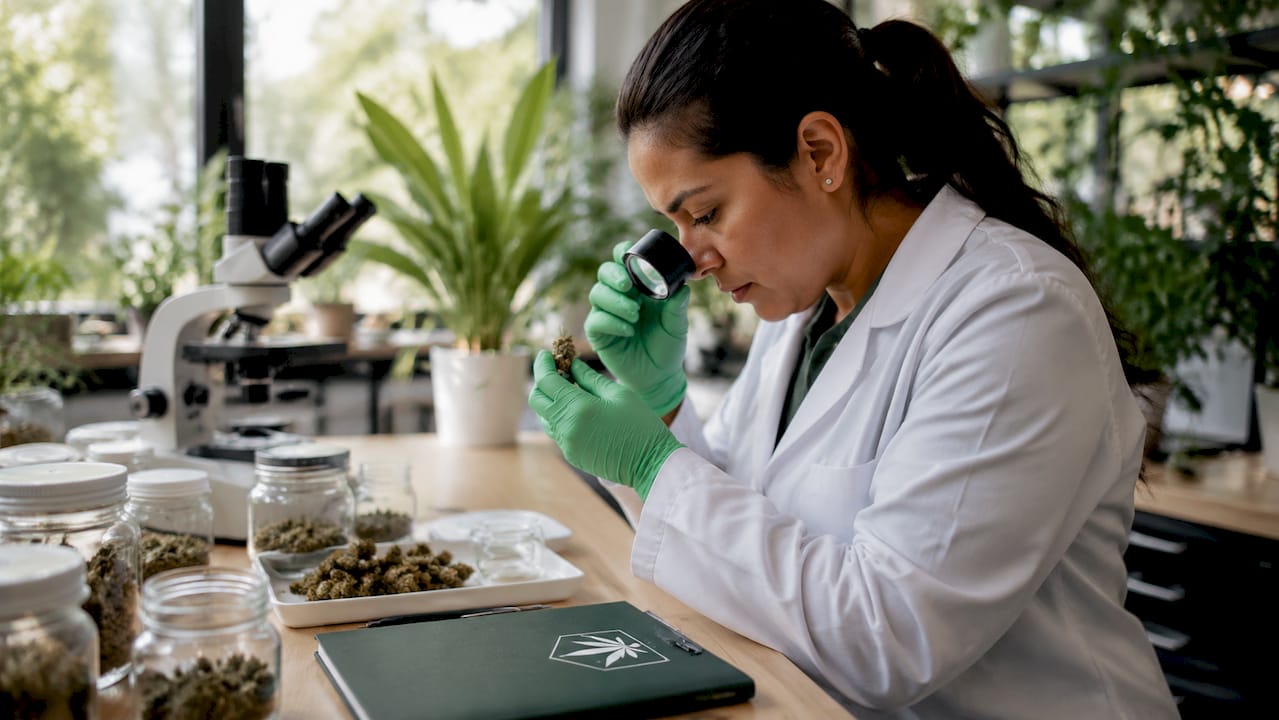
Quality in THCA flower comes down to four things: lab testing, trichome coverage, terpene aroma, and proper curing. Skip any one of these and you’re guessing.
Reading the COA
Every quality THCA flower product should come with a Certificate of Analysis from a third-party lab. Consumers often confuse THCA percentage labeling with actual Delta-9 THC content. The COA separates these clearly. The formula labs use to calculate total potential THC is: Delta-9 THC + (THCA × 0.877). That 0.877 factor accounts for the molecular weight lost during decarboxylation. A flower showing 28% THCA and 0.2% Delta-9 THC has a calculated total THC of roughly 24.8% after full conversion. Understanding this formula helps you compare products accurately. Tghhouston’s guide to reading a cannabis COA walks through every line item.
Visual and sensory cues
- Trichome coverage should be dense and frosty. Trichomes are the tiny crystal-like structures that hold THCA. Sparse trichomes mean lower potency.
- Color should be vibrant: deep greens, purples, or oranges depending on the strain. Brown or tan flower signals age or poor storage.
- Aroma should be strong and distinct. A rich, complex smell indicates a healthy terpene profile. Flat or hay-like smell signals degradation.
- Moisture level matters. Flower that crumbles to dust is too dry. Flower that feels wet or spongy is under-cured.
- Trim quality reflects care. Tight, clean trim suggests the grower paid attention throughout the process.
Why curing matters
Improper curing or excess moisture makes THCA flower harsh to smoke and reduces flavor. Slow curing removes chlorophyll and balances moisture content. Harshness on the inhale almost always points to a curing or storage problem, not a potency issue.
Pro Tip: Store your THCA flower in an airtight glass jar away from light and heat. Humidity packs rated at 62% relative humidity keep moisture stable and preserve terpenes for weeks.
| Quality Indicator | What to Look For | Red Flag |
|---|---|---|
| COA | Third-party lab, recent test date | No COA or in-house testing only |
| Trichomes | Dense, frosty coverage | Sparse or dull appearance |
| Aroma | Strong, complex, strain-specific | Flat, hay-like, or chemical smell |
| Moisture | Slightly springy, not crumbly | Bone dry or wet/spongy |
| Cure quality | Smooth smoke, clean ash | Harsh inhale, black ash |
How do you use THCA flower safely and effectively?
Using THCA flower effectively means choosing the right method for your experience level and goals.
- Smoking is the most direct method. A flame decarboxylates THCA instantly. Effects arrive within minutes. Start with one or two draws and wait before taking more.
- Vaping offers more temperature control. Lower temps (around 315–440°F) preserve terpenes while still triggering decarboxylation. Higher temps produce denser vapor and stronger effects.
- Cooking works when you decarboxylate the flower first. Spread ground flower on a baking sheet and heat at 240°F for 40 minutes before adding it to butter or oil. Skipping this step means eating raw THCA with no psychoactive effect.
- Avoid combustion at extremely high temperatures. Burning flower too hot destroys terpenes and increases harsh byproducts. Slow, even heat gives a cleaner experience.
New consumers should start with Type 2 strains. The CBD content moderates the psychoactive response and reduces the chance of anxiety or discomfort. Experienced consumers can explore Type 1 or Exotic strains with confidence. Check out Tghhouston’s guide to top methods and settings for more detail on matching consumption style to experience goals.
Key Takeaways
THCA-rich flower is non-intoxicating until heat converts it into Delta-9 THC, making decarboxylation the single most important concept for any consumer to understand before buying or using it.
| Point | Details |
|---|---|
| THCA converts to THC with heat | Smoking, vaping, or cooking activates THCA and produces psychoactive effects. |
| Three strain types serve different needs | Type 1 for potency, Type 2 for balance, Exotic for premium experiences. |
| Labels show potential THC, not active THC | Use the COA and the Delta-9 + (THCA × 0.877) formula to assess real potency. |
| Terpenes shape the experience | Rich terpene profiles produce more complex effects than high THCA alone. |
| Curing and storage determine smoke quality | Harsh flower almost always signals a curing or storage problem, not a strain issue. |
Ethan’s take on what most people get wrong about THCA flower
Honestly, the biggest mistake I see is consumers treating THCA percentage as the only number that matters. I’ve watched people pass on genuinely excellent flower because the label read 22% instead of 30%. That’s backwards thinking.
A 22% THCA strain with a rich myrcene and caryophyllene profile will consistently outperform a 30% strain with flat terpenes. The terpene content shapes the texture of the experience. The THCA number sets the ceiling, but terpenes determine whether you actually enjoy the ride.
The second thing I’d push back on is the idea that “exotic” automatically means better. The term gets slapped on products constantly. Without a COA confirming the cannabinoid and terpene profile, exotic is just a price markup. Always ask for the lab report. Any reputable seller will have one ready.
My practical advice: start with a Type 2 strain if you’re newer to high-potency flower. The CBD content gives you a smoother entry point. Once you know your tolerance, move into Type 1 territory. And always store your flower properly. A great strain stored badly is a waste of money.
— Ethan
Fresh THCA products at Tghhouston, available 24/7
If you’re ready to put this knowledge to use, Tghhouston makes it easy. We carry lab-tested THCA flower and a full range of THCA products at both our Houston locations, EaDo on Polk Street and Spring Branch on Long Point Road. Both spots are open 24/7, so you’re never stuck waiting.
Not sure where to start? Our THCA Seltzer Single Cans are a great low-commitment way to experience THCA without the learning curve of flower. Every product we carry is third-party lab tested, and our daily rotation keeps things fresh. Free delivery is available on orders over $100. Shop online or stop in anytime.
FAQ
What is THCA flower exactly?
THCA flower is cannabis bud that contains high levels of tetrahydrocannabinolic acid (THCA), a non-psychoactive compound that converts into Delta-9 THC when heated through smoking, vaping, or cooking.
Is THCA flower legal?
THCA flower is federally legal hemp when it contains less than 0.3% Delta-9 THC by dry weight before heating. After decarboxylation, it produces effects identical to traditional cannabis.
Does THCA flower get you high?
Raw THCA flower does not produce a high. Once heated through smoking or vaping, THCA converts to Delta-9 THC and delivers full psychoactive effects comparable to standard cannabis.
What does a THCA percentage of 28–32% mean on the label?
That number reflects the calculated potential THC after full decarboxylation, not the active Delta-9 THC present in the raw flower. The actual Delta-9 THC content in compliant hemp flower stays below 0.3%.
What’s the best way to choose a THCA flower strain?
Match the strain type to your experience level. Type 2 strains with balanced THCA and CBD suit newer consumers. Type 1 and Exotic strains suit experienced users. Always verify quality with a third-party COA before buying.
Recommended
Before You Go…
Here are a few handpicked articles to inspire your next self-care moment.


