

THCA vs CBD Differences Explained for Cannabis Shoppers
THCA is defined as the acidic, non-intoxicating precursor to THC found in raw cannabis plants, while CBD is a fully distinct cannabinoid that produces no high regardless of how you consume it. Understanding the THCA vs CBD differences explained here will help you choose the right product for your goals, whether that’s recreational euphoria or calm, clear-headed wellness. The 2018 Farm Bill created a legal gap between these two cannabinoids that still shapes what you can buy today. We’ll break down the chemistry, the effects, the legal picture, and how to shop smart.
1. What are THCA and CBD? The core differences explained
THCA and CBD are both cannabinoids found in cannabis, but they work through completely different pathways in your body. THCA stands for tetrahydrocannabinolic acid. It carries an extra carboxyl group in its chemical structure that gets removed by heat, a process called decarboxylation, converting it into psychoactive delta-9 THC. CBD, or cannabidiol, has no such conversion pathway and stays non-intoxicating no matter how it’s consumed.
The practical difference is significant. Raw THCA will not get you high. Heat it by smoking, vaping, or cooking, and it converts to psychoactive THC almost instantly. CBD never makes that conversion. That single chemical distinction drives every difference in effects, legal status, and product use you’ll read about below.
2. How THCA works in your body
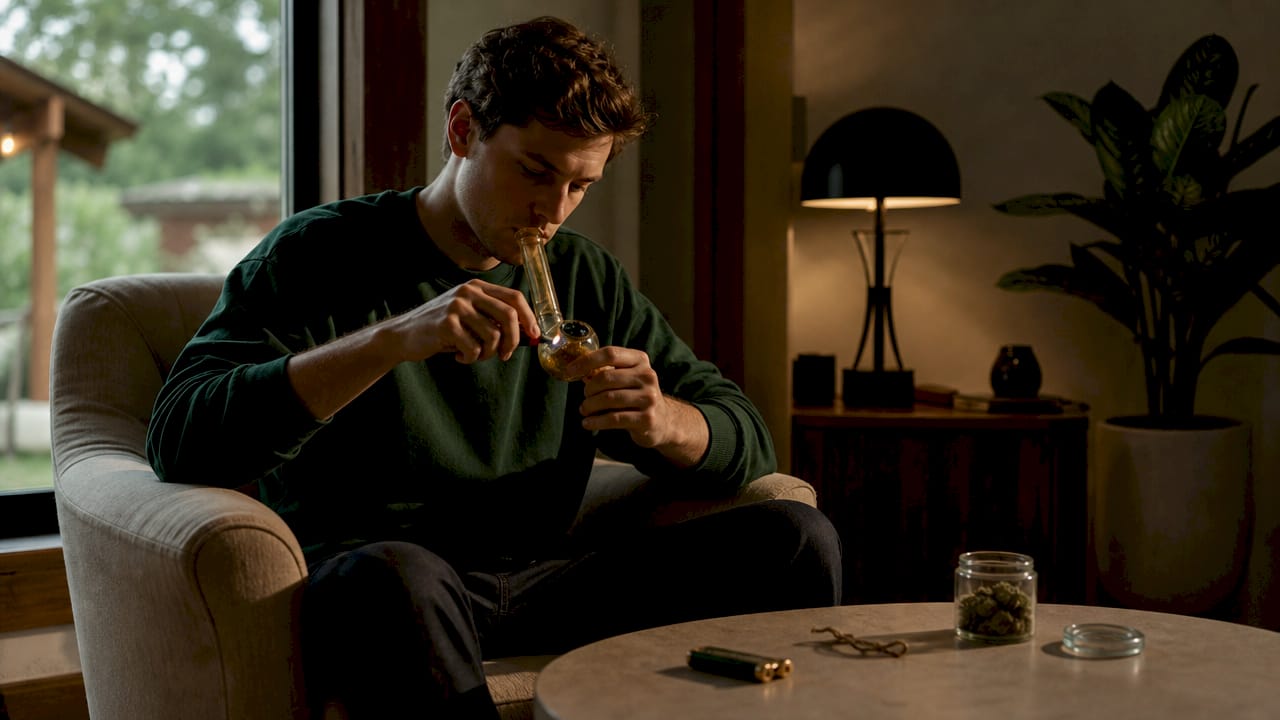
THCA in its raw form does not bind to the CB1 receptors in your brain. That’s why eating raw cannabis flower produces no euphoria. The moment heat enters the picture, decarboxylation strips the carboxyl group and the resulting delta-9 THC binds directly to CB1 receptors, producing the classic cannabis high.
Here’s what that means for common product types:
- Smoking or vaping THCA flower: Conversion to THC is near-instantaneous upon inhalation. You will feel psychoactive effects.
- Raw THCA tinctures: These contain unactivated THCA. No heat means no high.
- THCA edibles or vape cartridges: Often contain pre-activated THC, not raw THCA.
- THCA flower potency: Smokable THCA products commonly range from 20% to 30% THCA by dry weight, making them very potent once heated.
That 20%–30% potency range is comparable to traditional cannabis flower sold in licensed dispensaries. Shoppers who assume “THCA” means mild or non-intoxicating are often surprised.
Pro Tip: Always check whether a product is raw or heat-activated before you buy. A label reading “THCA flower” means the product will get you high when smoked or vaped, even if the package emphasizes its non-intoxicating raw state.
3. How CBD works in your body
CBD does not convert into THC. It also does not bind directly to CB1 receptors, which is why it produces no euphoria at any dose. Instead, CBD influences serotonin and TRPV1 receptors, pathways linked to mood regulation, inflammation response, and pain perception.
Common reasons people reach for CBD include:
- Daily wellness and general balance
- Anxiety relief without mental impairment
- Inflammation and discomfort management
- Sleep support without next-day grogginess
CBD is available in tinctures, edibles, topicals, and vape cartridges. None of these formats will get you high. That makes CBD the go-to choice for people who want therapeutic benefits during work hours or while managing responsibilities. For anxiety management specifically, THC beverages and CBD products each offer distinct approaches worth comparing.
4. How THCA and CBD differ in real-world effects
The experiential gap between THCA (when heated) and CBD is wide. THCA delivers the traditional cannabis high: euphoria, altered perception, relaxation, and in some cases, heightened creativity or appetite. CBD delivers calm, reduced anxiety, and physical ease without any mental shift.
| Effect Category | THCA (heated) | CBD |
|---|---|---|
| Psychoactive high | Yes, via THC conversion | No |
| Anxiety relief | Possible, dose-dependent | Yes, consistent |
| Pain and inflammation | Yes, via THC pathways | Yes, via TRPV1 pathways |
| Impairment | Yes | No |
| Drug test risk | High | Low to moderate |
One underappreciated fact: CBD can actually counteract some negative effects of THC intoxication. If you’ve ever felt too high, CBD may reduce that anxiety or paranoia. That’s why some experienced consumers combine both cannabinoids intentionally. The differences between THCA and CBD in receptor activity explain why this counterbalancing effect works.
Raw THCA products do exist in the market, but they’re less common than heat-activated forms. Most people encounter THCA through smokable flower or vapes, which means most THCA consumption is psychoactive in practice.
5. Legal and regulatory considerations for THCA and CBD
The 2018 Farm Bill defines hemp by its delta-9 THC content, not its THCA content. That regulatory gap allows high-potency THCA hemp products to be sold legally in many states, even though heating them produces the same psychoactive THC as traditional marijuana. This is a regulatory loophole the industry actively uses to market potent products under a hemp label.
Key legal points every shopper should know:
- THCA is not restricted by the 2018 Farm Bill. Only delta-9 THC is capped at 0.3% by dry weight.
- Decarboxylation changes the legal picture. Once you heat THCA, you possess psychoactive THC, which may be illegal in your state.
- Drug tests detect THC metabolites. Consuming heated THCA products will likely trigger a positive result.
- Federal rules are changing. New federal regulations expected by late 2026 will redefine legal thresholds to include total THC, which would close the THCA loophole.
That last point matters if you’re building a routine around THCA hemp products. Products that are legal today may face new restrictions by late 2026. CBD’s legal status is more stable, as it doesn’t carry the same psychoactive conversion risk.
6. THCA benefits vs CBD: Which one fits your lifestyle?
Choosing between THCA and CBD comes down to three things: the effect you want, how you plan to consume it, and your tolerance for psychoactive experiences.
Choose THCA if you:
- Want a traditional cannabis high from smoking, vaping, or edibles
- Have prior cannabis experience and a comfortable tolerance
- Are looking for potent recreational effects
- Want access to lab-tested THCA flower in a variety of strains
Choose CBD if you:
- Want therapeutic benefits without impairment
- Need to stay clear-headed during the day
- Are new to cannabis and want a low-risk starting point
- Are managing anxiety, sleep issues, or chronic discomfort
Consumption method matters enormously. Raw THCA tinctures and capsules stay non-intoxicating. Smoked or vaped THCA becomes psychoactive immediately. Understanding how consumption methods shape your experience is the single most important factor in avoiding surprises.
Pro Tip: If you’re new to THCA products, start with a low-potency option and wait at least 30 minutes before taking more. The conversion to THC happens fast when inhaled, but edibles can take 60–90 minutes to peak.
For budget-conscious shoppers, CBD products tend to be more affordable and widely available. THCA flower and concentrates carry premium pricing that reflects their potency and lab-testing requirements. Always look for a certificate of analysis before buying any cannabis product to confirm potency and purity.
Key takeaways
THCA becomes psychoactive only when heated, while CBD remains non-intoxicating through every consumption method, making the choice between them entirely dependent on the effect you want.
| Point | Details |
|---|---|
| THCA converts to THC with heat | Smoking or vaping THCA instantly produces a psychoactive high via decarboxylation. |
| CBD never causes a high | CBD interacts with serotonin and TRPV1 receptors, not CB1, so impairment is impossible. |
| Potency of THCA products | Smokable THCA commonly ranges from 20% to 30% by dry weight, making it very strong. |
| Legal gap is closing | Federal rules expected by late 2026 will likely restrict high-THCA hemp products. |
| Consumption method is everything | Raw THCA stays non-intoxicating; heated THCA behaves exactly like traditional cannabis. |
What I’ve learned watching people shop for THCA and CBD
The most common mistake I see is people treating “THCA” and “CBD” as interchangeable wellness products. They’re not. THCA flower is essentially cannabis. The raw label is a chemical technicality, not a promise of a mild experience. Honestly, the number of people who’ve been caught off guard by THCA vapes because they assumed “non-intoxicating” meant the product was like CBD is staggering.
CBD is genuinely non-intoxicating. Full stop. It’s the right choice for daytime use, anxiety management, or anyone who can’t afford to feel impaired. THCA is the right choice when you want the full cannabis experience and you understand what you’re getting into.
The regulatory picture adds another layer. The 2018 Farm Bill loophole has made high-potency THCA products widely available in states where traditional cannabis is restricted. That’s useful for consumers in those states, but it also means the market is full of products that are far more potent than their hemp labels suggest. With federal changes likely by late 2026, now is the time to get educated rather than wait for the rules to change around you.
My honest advice: read the lab reports, understand your consumption method, and don’t let a “hemp” label lower your guard with THCA products. And if you’re exploring CBD for sleep or anxiety, CBD options for sleep and anxiety are worth researching from reputable sources before you commit to a product.
— Ethan
Tghhouston has lab-tested options for every preference
Whether you’re leaning toward the clear-headed calm of CBD or the full experience of THCA, Tghhouston carries products that are tested, fresh, and ready to go. Both Houston locations, EaDo on Polk Street and Spring Branch on Long Point Road, are open 24/7 so you can shop on your schedule.
If you want to try THCA in a format that’s easy to dose and genuinely enjoyable, the THCA Seltzer Single Cans are a great starting point. For those who prefer gummies, the Wyld Gummies 10ct offer a consistent, lab-verified experience. Free delivery is available on orders over $100, and every product on the menu comes with full transparency on potency and ingredients. We keep things moving with daily product rotation so the selection stays fresh.
FAQ
What is the main difference between THCA and CBD?
THCA is a non-intoxicating precursor to THC that becomes psychoactive when heated, while CBD is a distinct cannabinoid that produces no high at any dose or through any consumption method.
Will THCA show up on a drug test?
Yes. Consuming heated THCA products converts them to THC, and standard drug tests detect THC metabolites, so a positive result is likely.
Is THCA stronger than CBD?
THCA, once heated, delivers a full psychoactive cannabis experience comparable to traditional THC products. CBD produces no psychoactive effect, so the two serve entirely different purposes rather than existing on a potency scale.
Can you use THCA and CBD together?
Yes. CBD can counteract some negative effects of THC intoxication, such as anxiety or paranoia, making the combination useful for consumers who want to moderate their THCA experience.
Is THCA legal everywhere CBD is legal?
Not necessarily. The 2018 Farm Bill allows THCA hemp products in many states, but federal rules expected by late 2026 will likely tighten those restrictions. Always check your state’s current laws before purchasing.
Recommended
Before You Go…
Here are a few handpicked articles to inspire your next self-care moment.


