

Cannabis Body Relaxation: What It Is and How It Works
Cannabis body relaxation is defined as a physical state of reduced muscle tension and soothing warmth that spreads through the body, distinct from the cognitive “head high” most people associate with cannabis. This sensation, often called a “body high,” involves calming physical discomfort and a wave of ease moving through muscles, limbs, and skin. It happens through the interaction of cannabinoids like THC and CBD, along with terpenes, with the body’s endocannabinoid system (ECS). Understanding what is cannabis body relaxation helps you make smarter choices about products, doses, and timing for stress relief and physical comfort.
What is cannabis body relaxation and how does it work?
Cannabis body relaxation is driven by the endocannabinoid system, a network of receptors found throughout the brain, nervous system, and body tissues. The two main receptor types are CB1 and CB2, and each plays a different role in how you feel physically after using cannabis.
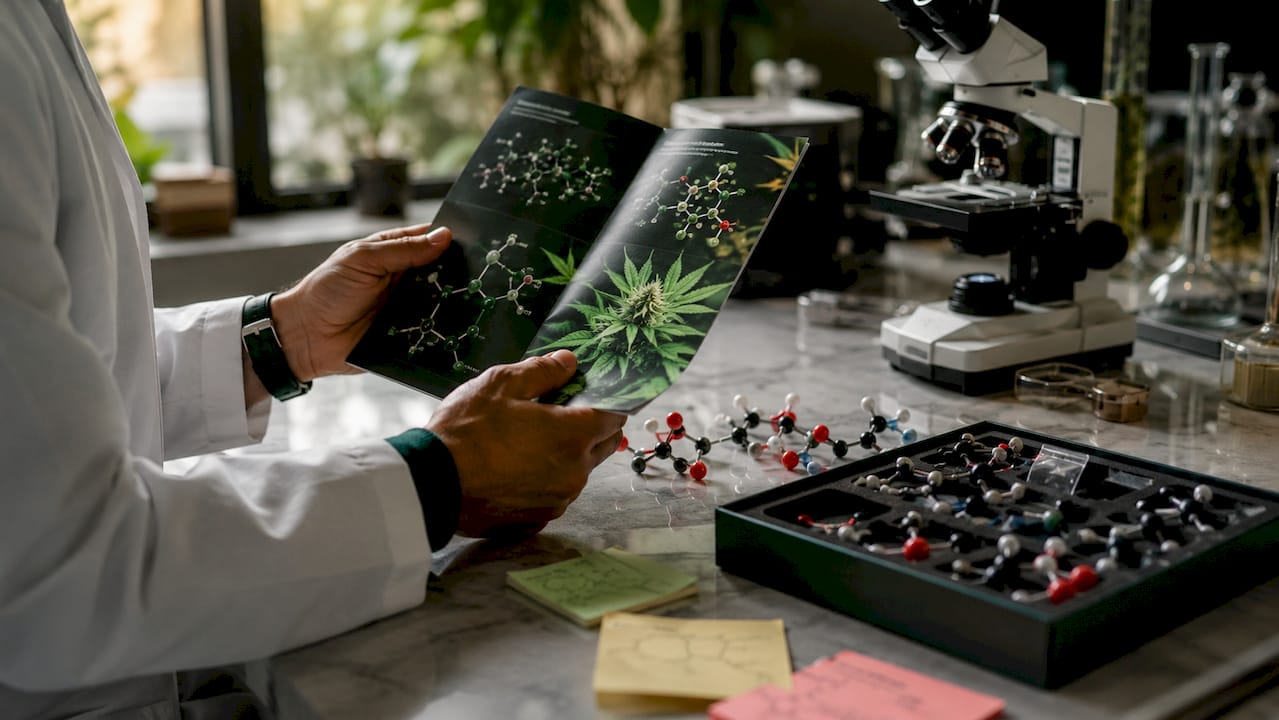
CB1 receptors sit primarily in the brain and central nervous system, including the basal ganglia, which regulates muscle tension and motor control. When cannabinoids like THC bind to CB1 receptors, they reduce excitatory motor neuron output, which loosens muscle tension and creates that familiar sense of physical ease. This is the central pathway behind the body relaxation effect.
CB2 receptors work differently. They are concentrated in peripheral tissues, including immune cells and connective tissue throughout the body. CB2 activation reduces inflammatory signaling in these areas, contributing to a soothing physical effect without strong psychoactive impact. This is why some people feel physical comfort from cannabis without feeling mentally altered.
| Receptor | Location | Primary Effect |
|---|---|---|
| CB1 | Brain, central nervous system, basal ganglia | Reduces muscle tension, motor control modulation |
| CB2 | Peripheral tissues, immune cells | Reduces local inflammation, peripheral comfort |
Pro Tip: If you want physical relaxation with less mental effect, look for products that target CB2 pathways, such as those high in CBD or the terpene beta-caryophyllene.
How do THC, CBD, and terpenes each contribute to relaxation?
The three main players in cannabis body relaxation are THC, CBD, and terpenes. Each one works through a different mechanism, and together they create what researchers call the entourage effect.
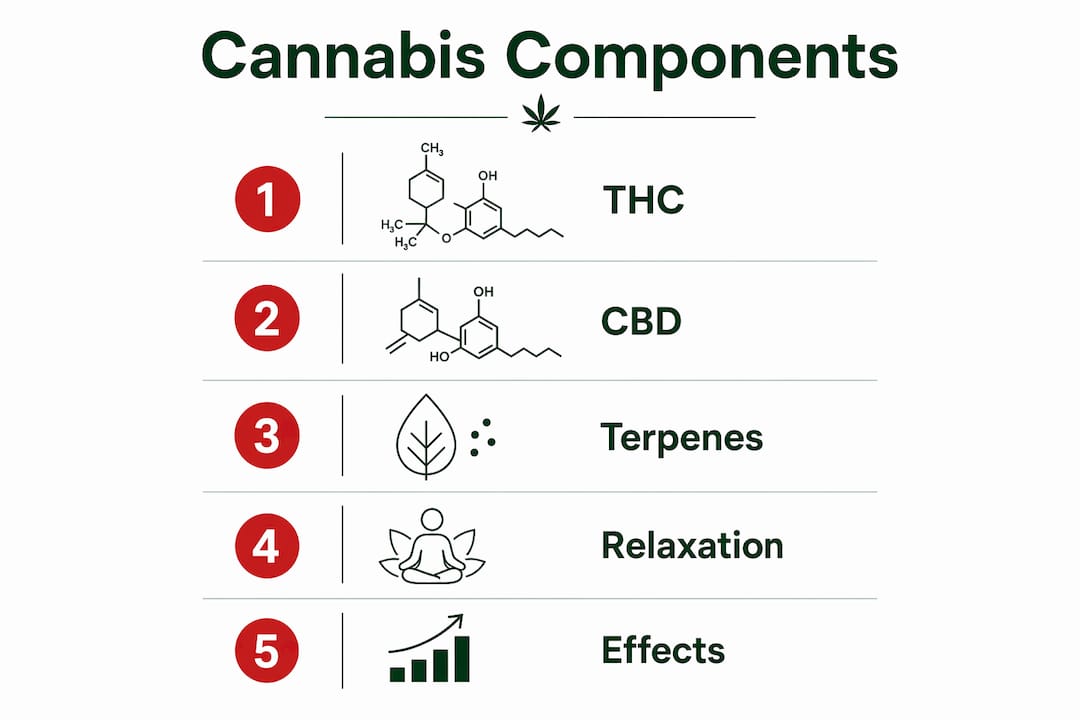
THC binds directly to CB1 receptors and produces muscle-relaxing effects at low doses. At higher doses, the same compound can flip from calming to anxiety-inducing, which is why dose control matters so much. CBD does not bind strongly to CB1 or CB2 receptors directly. Instead, it works through serotonin receptors and TRPV1 channels, contributing to relaxation without psychoactivity. This makes CBD a useful complement to THC for people who want physical ease without a strong head effect.
Balanced THC and CBD combinations tend to produce the most consistent relaxation with less anxiety than THC alone. CBD appears to modulate CB1 receptor sensitivity, softening the intensity of THC’s psychoactive effects while preserving the physical calming benefits.
Terpenes add another layer to the experience:
- Myrcene is found in many indica-leaning strains and is widely associated with a heavy, physically calming sensation
- Beta-caryophyllene is unique because it acts as a CB2 receptor agonist, delivering peripheral anti-inflammatory benefits without psychoactive effects
- Linalool contributes a calming, floral quality often linked to reduced physical tension
- Limonene leans more toward mood elevation but can round out a balanced relaxation profile
Pro Tip: When shopping for cannabis products focused on body relaxation, check the terpene profile on the label or certificate of analysis. High myrcene or beta-caryophyllene content is a good signal for physical calming effects.
Why do relaxation effects vary so much between people?
Cannabis body relaxation is not a one-size-fits-all experience. Several factors shape how strong, pleasant, or unpredictable the effect feels for any given person.
Dose is the biggest variable. Research shows that low-dose oral THC at 7.5 mg can reduce subjective stress, while a higher dose of 12.5 mg may increase anxiety and negative mood in the same person. That is a small difference in milligrams with a big difference in outcome. Starting low and going slow is not just a cliché. It is the most practical way to stay in the relaxation zone.
Route of consumption also changes the experience significantly:
- Inhalation (flower, vapes): Fast onset, typically within minutes. Effects peak quickly and fade within 1–2 hours. Easier to control your dose in real time.
- Edibles (gummies, seltzers, shots): Delayed onset of up to 3 hours. Effects last longer but are harder to titrate because the liver converts THC into a more potent compound.
- Topicals and bath products: Localized effect, minimal psychoactivity, useful for targeted physical comfort.
One common misconception is that sedation and body relaxation are the same thing. They are not. Cannabis relaxation is a functional calm state where you feel at ease but remain capable of normal activity. Sedation, or “couch-lock,” involves reduced arousal and impaired function. Chasing sedation as a relaxation goal often means using too much, which carries its own risks.
Frequent or daily cannabis use raises the risk of anxiety, depression-related disorders, and cognitive challenges. Health Canada warns that heavy use can worsen the very conditions people often try to relieve. Cannabis relaxation is best understood as a short-term, situational effect, not a long-term treatment for stress or pain.
Practical approaches to using cannabis for stress relief and comfort
Getting the most out of cannabis-infused relaxation methods comes down to a few consistent habits. These are not medical recommendations. They are practical observations based on how cannabinoids behave and how people tend to use them.
-
Start with a balanced THC:CBD product. A 1:1 ratio gives you the physical calming of THC with CBD’s moderating effect on anxiety. This is a good starting point if you are new to cannabis relaxation techniques or sensitive to THC.
-
Match your consumption method to your timeline. If you want to unwind after work in the next 20 minutes, inhalation or a THCA vape makes sense. If you want a longer, slower wind-down over an evening, a low-dose gummy or seltzer fits better.
-
Time your use around physical tension. Cannabis body relaxation works best when you use it at the moment you feel muscle tightness or stress building, not as a daily preventive habit. Using it situationally keeps your tolerance lower and the effect more reliable.
-
Keep doses modest and consistent. Resist the urge to increase your dose because the first one felt mild. Edibles in particular can surprise you 90 minutes later. Stick with the same dose for several sessions before adjusting.
-
Pair cannabis with other relaxation practices. Stretching, deep breathing, a warm bath, or a short walk all complement the physical calming effects of cannabis. The Kush Queen Relax THC Bath Bomb is one example of a cannabis-infused product designed specifically to combine topical cannabinoids with the physical relaxation of a soak.
-
Take regular breaks. Tolerance builds quickly with cannabis. Taking two or three days off each week keeps the relaxation effect strong and reduces the risk of dependence.
Pro Tip: If you are new to edibles, try a product with 5 mg THC or less for your first session. Wait the full two hours before deciding whether to take more.
Key Takeaways
Cannabis body relaxation is a real, biologically grounded effect driven by cannabinoid interactions with CB1 and CB2 receptors, and it works best at low doses with balanced THC and CBD ratios.
| Point | Details |
|---|---|
| Body relaxation vs. head high | Cannabis body relaxation is a physical calming effect distinct from cognitive psychoactivity. |
| CB1 and CB2 receptors | CB1 reduces muscle tension centrally; CB2 reduces inflammation in peripheral tissues. |
| Dose matters most | Low-dose THC promotes relaxation; higher doses can trigger anxiety in the same person. |
| Route affects timing | Inhalation works fast and is easier to dose; edibles last longer but take up to 3 hours to peak. |
| Frequent use carries risk | Daily cannabis use can worsen anxiety and depression over time, per Health Canada guidance. |
My honest take on cannabis relaxation after years of watching people use it
Here is what I have noticed that most articles skip over. People come to cannabis relaxation looking for a reliable off switch for stress and physical tension. What they find is something more nuanced and honestly more interesting.
The physical calming effect is real. The biology backs it up. CB1 receptors genuinely reduce motor neuron output. Beta-caryophyllene genuinely hits CB2 receptors in peripheral tissue. These are not marketing claims. But the experience varies so much between people, products, and even days that treating cannabis as a predictable tool requires patience and self-awareness most of us do not start with.
What I have seen work consistently is this: people who use cannabis for body relaxation with intention, meaning low doses, specific timing, and paired with other calming habits, tend to get what they came for. People who use it reactively, reaching for a high-dose edible every time they feel stressed, tend to build tolerance fast and eventually find the effect stops working or flips into anxiety.
The other thing worth saying plainly: cannabis is not a treatment for chronic pain or anxiety disorders. The research on cannabis for symptom relief is still developing, and sedation is sometimes mistaken for therapeutic relaxation. If you are managing a real health condition, cannabis might be one piece of a larger picture, but it should not be the whole plan.
Use it well. Use it occasionally. And pay attention to how your body actually responds, not how you expect it to respond.
— Ethan
Fresh cannabis products worth trying for body relaxation
At Tghhouston, we keep our shelves rotating daily so you always get the freshest options available. Whether you prefer a slow, easy edible or a quick-acting vape, we have something that fits your relaxation routine.
Our THCA seltzer single cans are a great starting point if you want a low-key, measured dose in a format that feels familiar. For a longer evening wind-down, Wyld Gummies blend THC and CBD in a consistent, lab-tested dose that makes titration easier. All products at Tghhouston come with certificates of analysis so you know exactly what you are getting. We also offer free delivery on orders over $100, and both our EaDo and Spring Branch locations are open 24/7.
FAQ
What is a cannabis body high?
A cannabis body high is a physical sensation of calm involving reduced muscle tension and soothing warmth spreading through the limbs and skin. It is distinct from the cognitive effects of cannabis and is driven primarily by CB1 and CB2 receptor activation.
How does cannabis relax the body?
Cannabis relaxes the body by binding to CB1 receptors in the central nervous system, which reduces excitatory motor neuron output and loosens muscle tension. CBD and terpenes like beta-caryophyllene also contribute through CB2 receptor activity and serotonin pathways.
What does cannabis do for stress?
At low doses, THC can reduce subjective stress by interacting with the endocannabinoid system. Higher doses may increase anxiety, so dose control is the most important factor in using cannabis for stress relief.
Is cannabis body relaxation the same as sedation?
No. Body relaxation is a functional calm state where you feel at ease but remain capable of normal activity. Sedation involves reduced arousal and impaired coordination, which typically results from taking too much cannabis.
Are there risks to using cannabis for relaxation regularly?
Yes. Daily or near-daily cannabis use is linked to increased risks of anxiety, depression-related disorders, and cognitive challenges. Cannabis relaxation is most effective and safest when used occasionally and at low doses.
Recommended
Before You Go…
Here are a few handpicked articles to inspire your next self-care moment.


