

Cannabis Products for Body Recovery: Athletes' Guide
Cannabis products for body recovery are natural remedies designed to reduce inflammation, relieve muscle soreness, and support tissue repair after exercise. The active compounds, primarily cannabidiol (CBD) and tetrahydrocannabinolic acid (THCA), interact with the body’s endocannabinoid system to modulate pain and inflammation at the cellular level. Research published in 2026 confirms the endocannabinoid system directly influences insulin sensitivity, mitochondrial metabolism, and protein homeostasis, all of which are critical to skeletal muscle health. The Greenhouse Dispensary carries lab-tested THCA products specifically suited for athletes who want clean, quality-controlled options for post-workout recovery.
1. What are the best cannabis products for body recovery?
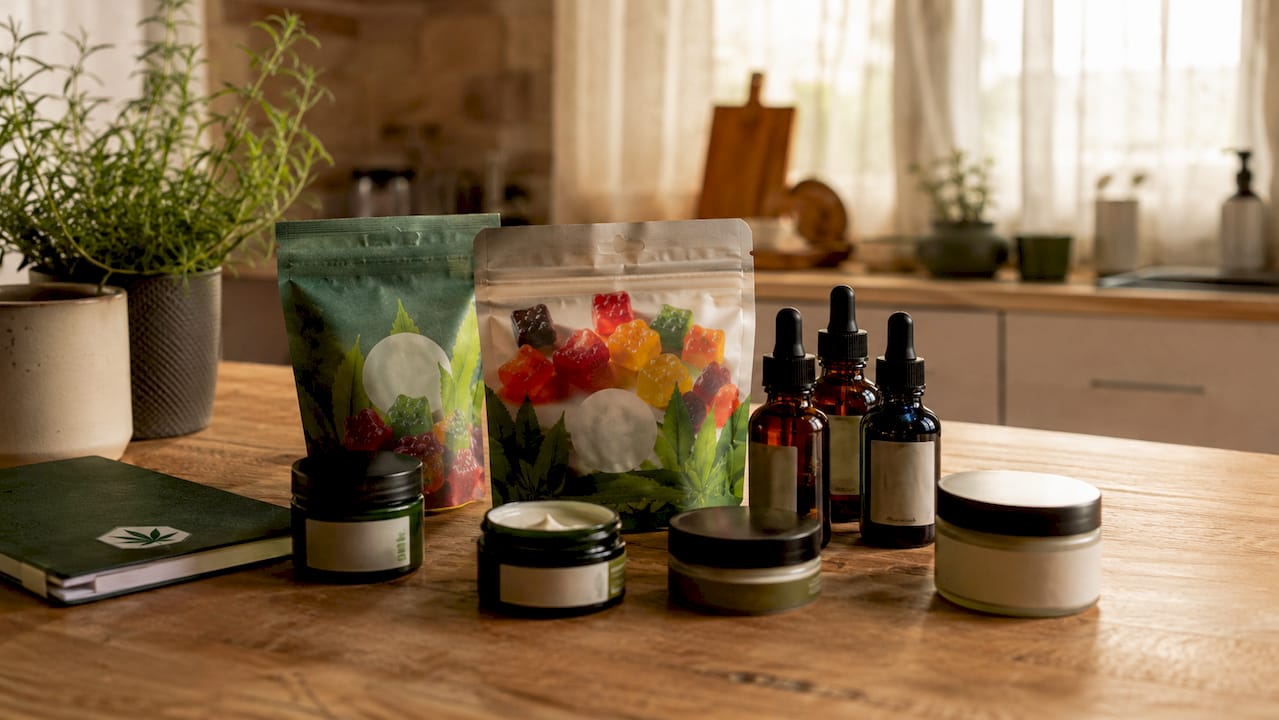
The four main product types each deliver cannabinoids differently, and that difference matters for athletes. Your choice depends on whether you need fast, localized relief or longer, systemic support.
- Topicals (creams, balms, patches): Applied directly to sore muscles or joints. They work locally without entering the bloodstream, so there’s no psychoactive effect. Best for targeted soreness after leg day or a tough run.
- Edibles and gummies: Absorbed through digestion. Onset takes 30–90 minutes but relief lasts 4–8 hours, making them ideal for evening recovery and sleep support.
- Tinctures: Placed under the tongue for faster absorption than edibles. Good for athletes who want a consistent daily dose without the delay of digestion.
- Vapes: The fastest onset of any delivery method, typically within minutes. Useful for acute post-workout discomfort, though athletes should weigh respiratory considerations before using regularly.
Each format has a different onset time, duration, and level of psychoactivity. Topicals and CBD-dominant products produce no high. THCA and THC products in edible or vape form will produce psychoactive effects, so timing matters.
Pro Tip: Take edibles or tinctures 60–90 minutes before bed to align peak relief with your deepest sleep cycle, when most muscle repair actually happens.
2. How do cannabinoids aid muscle recovery and pain relief?
The endocannabinoid system is the key. It regulates inflammation, pain signaling, and cellular repair throughout the body. When you exercise hard, muscle fibers tear and inflammation spikes. Cannabinoids bind to CB1 and CB2 receptors in muscle tissue to slow that inflammatory response and reduce pain signals reaching the brain.
CBD specifically has shown anti-inflammatory and analgesic properties across doses ranging from 5mg to 600mg in a systematic review of 70 studies. That’s a wide dose range, which tells you something important: individual responses vary significantly, and no single dose works for everyone.
“CBD is being explored as a therapeutic agent to modulate the endocannabinoid system to support muscle development and recovery beyond simple pain masking. The evidence points to real physiological mechanisms, not just placebo effects.” — Molecular Metabolism, 2026
THC works differently from CBD. THC binds more directly to CB1 receptors and produces stronger pain relief, but also psychoactivity. CBD modulates the same system more gently, reducing inflammation without the high. For athletes who train in the morning or need to stay sharp, CBD-dominant products are the practical choice. THCA, the raw precursor to THC found in The Greenhouse Dispensary’s flower and gummies, converts to THC when heated and offers its own recovery benefits.
| Cannabinoid | Primary effect | Psychoactive? | Best use case |
|---|---|---|---|
| CBD | Anti-inflammatory, analgesic | No | Daily systemic recovery |
| THC | Pain relief, relaxation | Yes | Evening or rest-day recovery |
| THCA | Anti-inflammatory (raw form) | No (until heated) | Daytime support, topicals |
| CBD + THC blend | Broad relief | Low to moderate | Post-workout and sleep |
3. Top ingredients and formulations to look for in recovery products
Not all recovery products are built the same. The best formulations combine cannabinoids with supporting ingredients that amplify the anti-inflammatory effect.
CBD with tart cherry is one of the most studied pairings in recovery products. Commercial formulations often combine 25mg CBD per serving with up to 4,800mg of tart cherry extract. Tart cherry is rich in anthocyanins, which are antioxidants that independently reduce exercise-induced inflammation. Together, they hit inflammation from two different angles.
Broad-spectrum vs. full-spectrum hemp extract is a distinction worth knowing:
- Full-spectrum: Contains CBD, trace THC (under 0.3% in hemp-derived products), terpenes, and other cannabinoids. The combination creates what researchers call the “entourage effect,” where compounds work better together than alone.
- Broad-spectrum: Contains multiple cannabinoids and terpenes but with THC removed. Good for athletes subject to drug testing.
- CBD isolate: Pure CBD only. Predictable and consistent, but misses the synergistic benefits of the full plant profile.
You can learn more about how these cannabinoid combinations influence recovery effectiveness. The short version: full-spectrum products generally outperform isolates for recovery because the whole plant works harder than any single compound.
Other botanicals worth looking for include arnica (topical pain relief), menthol (cooling sensation that increases blood flow), and turmeric (systemic anti-inflammatory). When these appear alongside CBD in a topical or edible, you’re getting a genuinely multi-layered recovery product.
4. How to use topical cannabis solutions effectively
Topicals are the most misused product in the recovery category. Most athletes rub them on quickly and move on. That’s not enough.
Massaging a topical into sore areas for 5–10 minutes increases blood flow and significantly improves cannabinoid absorption through the skin. Think of it like a targeted massage with a therapeutic payload. The mechanical pressure from the massage itself also reduces soreness, so you’re stacking two recovery methods at once.
Apply topicals immediately after training while skin is warm and pores are open. Focus on the specific muscle groups you worked. For larger muscle groups like quads or hamstrings, use a generous amount and work it in with firm circular strokes. Reapply after showering if soreness persists.
Pro Tip: Pair your topical application with a foam roller session. Roll the muscle first to break up tension, then apply the topical while the tissue is warm and receptive. You’ll feel the difference within 20 minutes.
5. How to build cannabis into your post-workout recovery routine
Timing and consistency are the two factors most athletes get wrong. Cannabis for muscle recovery isn’t a one-time fix. Daily, cumulative use of oral cannabinoids is typically required to see systemic anti-inflammatory benefits. Topicals work faster but stay local.
Here’s a practical framework for integrating cannabis into your routine:
- Immediately post-workout: Apply a topical to the most worked muscle groups. Massage in for 5–10 minutes.
- 30–60 minutes post-workout: Take a tincture sublingually if you want broader systemic relief without waiting for edible digestion.
- 60–90 minutes before bed: Take an edible or gummy. The 4–8 hour relief window covers your full sleep cycle, supporting the tissue repair that happens during deep sleep.
- Rest days: Continue oral cannabinoids daily to maintain baseline anti-inflammatory levels in your system.
- High-intensity training blocks: Consider increasing your topical frequency to twice daily during weeks with heavy training loads.
Individual physiological responses to CBD vary considerably, so start with the lowest effective dose and adjust over two to three weeks. What works for your training partner may not work for you at the same dose. Pair cannabis with proven recovery methods like hydration, protein intake, sleep, and massage and foam rolling for the best outcomes. Cannabis works best as a complement, not a replacement, for those fundamentals. You can also explore CBD products for athletes to understand how other fitness-focused consumers are integrating cannabinoids into their training.
Pro Tip: Track your soreness levels, sleep quality, and training performance in a simple notes app for the first 30 days of using cannabis recovery products. Patterns will show you which products and timing work best for your body.
6. Choosing between THCA and CBD for recovery
THCA and CBD serve different recovery needs, and knowing the difference saves you money and guesswork. The THCA vs. CBD distinction comes down to psychoactivity and potency. CBD is non-psychoactive in all forms. THCA is non-psychoactive in its raw state but converts to THC when heated, producing stronger pain relief and relaxation.
For daytime recovery, CBD-dominant products or raw THCA topicals are the practical choice. For evening recovery and sleep support, THCA gummies or vapes deliver more powerful relief when you don’t need to stay sharp. The Greenhouse Dispensary carries both, with lab-tested options across the full spectrum so you know exactly what you’re getting.
7. What the research actually says about cannabis for athletes
Large-scale, athlete-specific trials on cannabis recovery products remain limited. The systematic review of 70 studies that supports CBD’s anti-inflammatory properties includes mostly preclinical and general clinical data, not elite-athlete populations. That gap matters.
One randomized double-blinded pilot study using 2g of topical CBD gel post-exercise found it did not significantly reduce overall muscle soreness versus placebo. However, it did improve isometric torque recovery between 24 and 72 hours. That result is meaningful for strength athletes. Reduced soreness and improved force output are different outcomes, and the study suggests topical CBD may help you perform better in your next session even if it doesn’t make you feel dramatically less sore.
The honest takeaway: the science is promising but not complete. Cannabis recovery products work for many athletes, the mechanisms are real, and the safety profile is strong. Waiting for perfect research before trying them is a personal call, but the risk-to-benefit ratio is favorable for most healthy adults. You can read more about faster workout recovery and how CBD fits into a broader recovery protocol.
Key Takeaways
The most effective cannabis products for body recovery combine the right delivery method, consistent daily use, and integration with proven physical recovery practices.
| Point | Details |
|---|---|
| Match product to timing | Use topicals immediately post-workout; take edibles 60–90 minutes before bed for sleep-phase recovery. |
| Consistency drives results | Daily oral cannabinoid use builds systemic anti-inflammatory effects that single doses cannot achieve. |
| Massage your topicals in | A 5–10 minute massage after applying topical CBD increases absorption and stacks mechanical recovery benefits. |
| Full-spectrum beats isolate | Full-spectrum hemp extracts outperform CBD isolate for recovery due to cannabinoid and terpene synergy. |
| Start low, adjust slowly | Individual responses to CBD vary widely; track your results over 30 days before changing dose or product. |
My take after watching athletes use cannabis for recovery
I’ve spent years watching fitness enthusiasts cycle through every recovery trend, from ice baths to compression boots to peptide stacks. Cannabis recovery products are different because they work at the system level, not just the symptom level. The endocannabinoid system is genuinely involved in how your muscles repair themselves. That’s not marketing. That’s molecular biology.
What I’ve noticed is that athletes who get the most out of cannabis recovery products are the ones who treat it like a training variable, not a magic fix. They track their sleep, their soreness, and their performance. They adjust dose and timing based on real feedback from their own body. They don’t expect a gummy to undo a poor recovery protocol.
The research gap on athlete-specific trials is real, and I think it’s worth being honest about that. The 70-study systematic review is compelling, but most of those studies weren’t done on people squatting 300 pounds or running 50 miles a week. We need more of that data. Until it exists, the best approach is to use cannabis as one tool in a full recovery stack, not the whole stack.
Honestly, the athletes I’ve seen get the best results combine topicals right after training, oral cannabinoids before bed, and consistent physical recovery methods like foam rolling and sleep hygiene. That combination is hard to beat. If you’re not doing all three, start there before worrying about which specific product to buy.
— Ethan
Quality cannabis recovery products at The Greenhouse Dispensary
Athletes deserve recovery products they can actually trust. The Greenhouse Dispensary carries a curated selection of lab-tested THCA gummies, vapes, and flower, all rotated daily for maximum freshness and quality.
For evening recovery and sleep support, Wyld Gummies offer consistent cannabinoid dosing in a format athletes love. If you want higher potency for intense training blocks, Half Bak’d Sumo Sour’d Gummies deliver serious relief in a convenient 25-count pack. Both products are available for free delivery on orders over $100, with 24/7 access at The Greenhouse Dispensary’s Houston locations. Every product is lab-tested and clearly labeled so you always know exactly what you’re taking.
FAQ
What cannabis products work best for muscle soreness?
Topical CBD balms work best for localized soreness applied immediately after training. Edibles and tinctures provide broader systemic relief and are most effective taken 60–90 minutes before sleep.
How long does it take for cannabis recovery products to work?
Topicals take effect within 15–30 minutes of application. Edibles and tinctures have a delayed onset of 30–90 minutes but provide 4–8 hours of relief, making them ideal for overnight recovery.
Is CBD or THCA better for post-workout recovery?
CBD is better for daytime, non-psychoactive recovery support. THCA converts to THC when heated and delivers stronger pain relief and relaxation, making it more suited for evening use and rest-day recovery.
Do cannabis recovery products work without other recovery methods?
Cannabis works best as a complement to proven recovery practices like sleep, hydration, and foam rolling. Using cannabis alone without addressing those fundamentals produces limited results.
How much CBD should an athlete take for recovery?
Research shows effective doses range from 5mg to 600mg, but individual responses vary considerably. Start at the lower end, around 15–25mg for oral products, and adjust based on your results over two to three weeks.
Recommended
Before You Go…
Here are a few handpicked articles to inspire your next self-care moment.


